How to Reduce Inflammation Naturally: The Key to a Longer, Healthier Life

You eat reasonably well, you exercise occasionally, and yet something still feels off — persistent fatigue, stiff joints, brain fog that won’t lift. What if the common thread running through all of it was chronic inflammation? Scientists now believe that low-grade, persistent inflammation — not the kind you see after a cut, but the silent kind smouldering inside your body for years — is one of the most powerful drivers of accelerated ageing.
The good news? You have more control over it than you might think. Learning how to reduce inflammation naturally is one of the most impactful things you can do for your long-term health, and the science behind it has never been clearer.
Key Takeaways
- Chronic low-grade inflammation — known as “inflammaging” — is a central driver of accelerated biological ageing and age-related disease.
- The Mediterranean diet is one of the most well-researched anti-inflammatory eating patterns, associated with up to 23% lower all-cause mortality.
- Regular exercise, quality sleep, and stress management all independently reduce inflammatory markers like C-reactive protein (CRP).
- Strong social connections have been shown to slow cellular ageing by reducing chronic, low-grade inflammation over time.
- Natural supplements including omega-3 fatty acids, curcumin, and resveratrol have clinical support for reducing systemic inflammation.
What Is Inflammaging — and Why Should You Care?
The term “inflammaging” was coined to describe the chronic, low-grade inflammation that builds silently as we age. It’s not a dramatic immune response — there’s no fever, no swelling you can see. Instead, it’s a persistent background hum of inflammatory activity that gradually damages healthy cells, tissues, and organs.
According to research published in Signal Transduction and Targeted Therapy, ageing is characterised by this systemic chronic inflammation, accompanied by cellular senescence and organ dysfunction. Senescent cells — sometimes called “zombie cells” — secrete inflammatory signals known as the senescence-associated secretory phenotype (SASP), which trigger further inflammation in neighbouring cells. It’s a self-reinforcing cycle that gets harder to break the longer it continues.
The conditions linked to this process are serious: heart disease, type 2 diabetes, Alzheimer’s disease, certain cancers, and arthritis all have chronic inflammation as a common underlying mechanism. According to Harvard Health, many of the major diseases that plague modern populations share this inflammatory thread.
Perhaps most compellingly, a 2025 study published in Nature Medicine found that individuals whose brain and immune system both tested as biologically young had a 56% lower mortality risk over a 15-year period — with researchers attributing this benefit largely to better control of chronic inflammation.
Can Your Diet Reduce Inflammation?
Of all the natural levers available to us, diet is among the most powerful. What you eat every day either feeds inflammation or fights it — and the cumulative effect over years is profound.
The Mediterranean diet is the most extensively researched anti-inflammatory eating pattern in the world. A landmark analysis of nearly 26,000 participants followed for 25 years found that adherence to Mediterranean dietary patterns was associated with 23% reduced all-cause mortality, with improvements in inflammatory biomarkers contributing most substantially to longevity benefits. Participants in the highest adherence group showed hs-CRP concentrations averaging 1.2 mg/L versus 2.1 mg/L in the lowest group — a 43% difference that persisted after adjusting for other factors.
This way of eating draws heavily on anti-inflammatory principles that centre on whole, minimally processed foods: abundant fruits and vegetables, fatty fish, whole grains, legumes, olive oil, nuts, and seeds. It’s less a rigid diet and more a sustainable pattern of eating that your body was designed for.
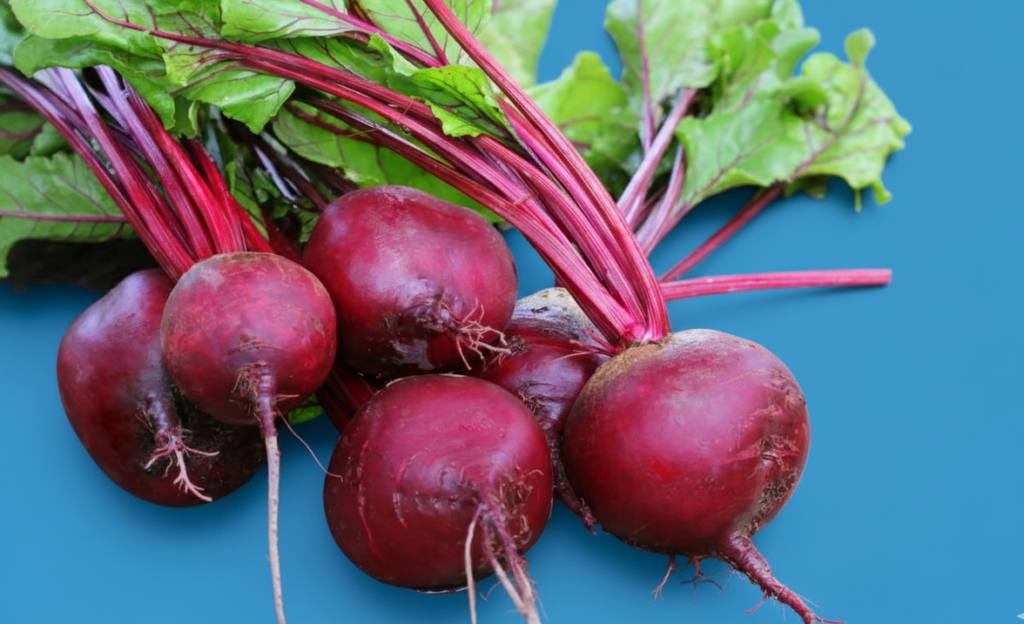
Top Anti-Inflammatory Foods to Prioritise
- Fatty fish (salmon, mackerel, sardines, anchovies) — rich in omega-3 fatty acids that reduce inflammatory proteins CRP and interleukin-6
- Berries and leafy greens — blueberries, strawberries, spinach, and kale are packed with antioxidants and polyphenols that neutralise free radicals
- Extra virgin olive oil — contains oleocanthal, a natural compound with inflammation-fighting properties similar in mechanism to ibuprofen
- Turmeric — its active compound curcumin is one of the most studied natural anti-inflammatory agents available
- Nuts and seeds — associated with reduced inflammatory markers and lower cardiovascular disease risk
- Green and black tea — rich in antioxidants and polyphenols that actively combat inflammation
Foods That Fuel Inflammation
- Ultra-processed foods, deli meats, and sweetened cereals
- Refined carbohydrates and white sugar
- Trans fats (look for “partially hydrogenated oils” on labels)
- Excess alcohol — disrupts the gut microbiome and contributes directly to chronic inflammation
For a deeper look at how diet and disease prevention intersect, the evidence consistently points toward whole food patterns over any single superfood. The foundations of longevity nutrition aren’t complicated — but they do require consistency.
Does Exercise Actually Lower Inflammation?
Yes — and the evidence is robust. Regular physical activity is one of the most reliable ways to reduce chronic inflammation, and new research is actively testing just how powerful this effect can be.
A study underway at The Tisch Cancer Institute at the Icahn School of Medicine at Mount Sinai is testing whether a combination of high-intensity interval training (HIIT) and anti-inflammatory supplements can slow the ageing process in adults aged 65–80. Researchers are analysing changes in over 5,300 inflammatory proteins — cytokines and chemokines — to measure the effect of exercise on the immune system’s inflammatory signalling.
You don’t need to be doing HIIT to benefit. A consistent fitness routine that includes a mix of cardiovascular exercise and resistance training has been shown to lower CRP levels, reduce inflammatory cytokines, and improve metabolic markers — all of which translate directly to a slower biological clock. Aim for at least 150 minutes of moderate activity per week, as recommended by the NHS.
The role of exercise in ageing extends beyond inflammation — it also improves insulin sensitivity, mitochondrial health, and cardiovascular function, all of which are intertwined with inflammatory control.
How Sleep and Stress Drive Inflammation
Two of the most underestimated contributors to chronic inflammation are right there in your daily routine: how well you sleep, and how much stress you carry.
Sleep and Inflammatory Markers
Research published in 2024 found that individuals with consistent sleep and wake patterns had up to 34% lower C-reactive protein levels — a primary blood marker of systemic inflammation. They also exhibited longer leukocyte telomere length, which is directly linked to slower biological ageing.
The science of chronobiology — the body’s internal clock — is increasingly central to understanding sleep and longevity. When your circadian rhythm is disrupted by irregular schedules, excess blue light at night, or poor sleep hygiene, the consequences ripple through every biological system — including immune regulation and inflammatory control.
Stress, Cortisol, and the Inflammation Loop
Chronic stress elevates cortisol — a hormone that, when persistently high, accelerates cellular ageing, disrupts sleep cycles, and impairs immune function. This creates a feedback loop: stress drives inflammation, inflammation impairs sleep, poor sleep raises stress hormones further.
An April 2025 study found that participants who practised transcendental meditation showed lower expression of genes associated with inflammation and ageing, suggesting that mind-body practices can have measurable effects at the molecular level. Whether it’s meditation, breathwork, time in nature, or simply protecting downtime — stress management for longevity is non-negotiable.

The Surprising Role of Social Connection
One of the most compelling findings in recent longevity research involves something that has nothing to do with supplements or diets: your relationships.
A Cornell University study found that strong social ties can measurably slow the biological ageing process. Specifically, close relationships appear to work over many years, building a more resilient body by reducing the chronic, low-grade inflammation that drives accelerated ageing. As lead author Anthony Ong noted, this effect operates quietly in the background — not through dramatic interventions, but through the sustained buffering of stress and immune dysregulation that meaningful connection provides.
Isolation, by contrast, is pro-inflammatory. Loneliness has been linked to elevated CRP levels, disrupted sleep, and poor immune regulation — a reminder that social connections and longevity are deeply intertwined.
Natural Supplements That Support Inflammation Control
Whole foods come first — but certain well-researched supplements can complement an anti-inflammatory lifestyle. Here’s how the most evidence-backed options compare:
| Supplement | Key Benefit | Evidence Level |
|---|---|---|
| Omega-3 fatty acids | Reduces CRP and interleukin-6; supports heart and brain health | Strong — decades of peer-reviewed research |
| Curcumin (turmeric) | Inhibits key inflammatory pathways; reduces oxidative stress | Strong — laboratory and clinical studies confirmed |
| Resveratrol | Activates sirtuin pathways; may mimic caloric restriction benefits | Moderate — promising preclinical and small human trials |
| Magnesium | Regulates 300+ biochemical reactions; protective against cognitive decline | Good — multiple observational and intervention studies |
| Vitamin D3 | May slow biological ageing and support immune regulation | Good — 2025 trial linked daily D3 to reduced biological wear |
Note that curcumin has low natural bioavailability — formulations paired with black pepper extract (piperine) or advanced delivery systems are recommended for best results. For a broader overview, explore our guide to longevity supplements and the evidence behind them.
If you’re looking for a structured starting point, the free longer life manual brings together the key lifestyle pillars — including inflammation control — in one practical resource.

Putting It All Together: Your Anti-Inflammatory Lifestyle
Reducing inflammation naturally isn’t about any single intervention. It’s the cumulative effect of multiple consistent habits — each reinforcing the others. Diet, exercise, sleep, stress management, and social connection don’t operate in isolation; they work together as an integrated system.
The science of ageing increasingly supports a whole-life approach: targeting inflammation through lifestyle is not just about adding years to your life, but adding life to your years. Healthspan — the years spent in good health and full function — is the real goal.
Start where it’s easiest. Swap one processed meal for a Mediterranean-style plate. Go for a 20-minute walk. Protect your sleep routine. Reach out to a friend. Small, consistent actions compound into a measurable biological shift over time.
Frequently Asked Questions
What are the signs of chronic inflammation in the body?
Unlike acute inflammation, chronic inflammation often has subtle signs: persistent fatigue, brain fog, frequent infections, joint stiffness, digestive issues, and skin problems. Blood tests measuring C-reactive protein (CRP) and interleukin-6 are the most reliable clinical indicators.
How quickly can diet reduce inflammation?
Some people notice improvements in energy and digestion within a few weeks of adopting an anti-inflammatory diet. However, meaningful reductions in blood markers like CRP typically take 8–12 weeks of consistent dietary change. Long-term adherence is where the most significant benefits accumulate.
Is exercise anti-inflammatory even if it causes short-term muscle soreness?
Yes. The temporary, localised inflammation from exercise (DOMS) is part of the healthy repair and adaptation process — it is fundamentally different from chronic systemic inflammation. Regular exercise consistently reduces systemic inflammatory markers over time, even as it creates short-term localised responses.
Can stress alone cause chronic inflammation even with a healthy diet?
Yes. Chronic psychological stress elevates cortisol and other stress hormones that directly trigger inflammatory pathways, independent of diet. This is why a whole-lifestyle approach — combining diet, movement, sleep, and stress management — produces better outcomes than dietary change alone.
Take the First Step Towards a Less Inflamed, Longer Life
Chronic inflammation may be silent, but it isn’t inevitable. The evidence is clear: the choices you make every day — what you eat, how you move, how you sleep, and who you spend time with — directly shape your inflammatory biology and, ultimately, how well and how long you live. Explore the key longevity factors that science supports and start building your own anti-inflammatory blueprint today.