Cold Exposure and Longevity: Is Cold Therapy Actually Backed by Science?
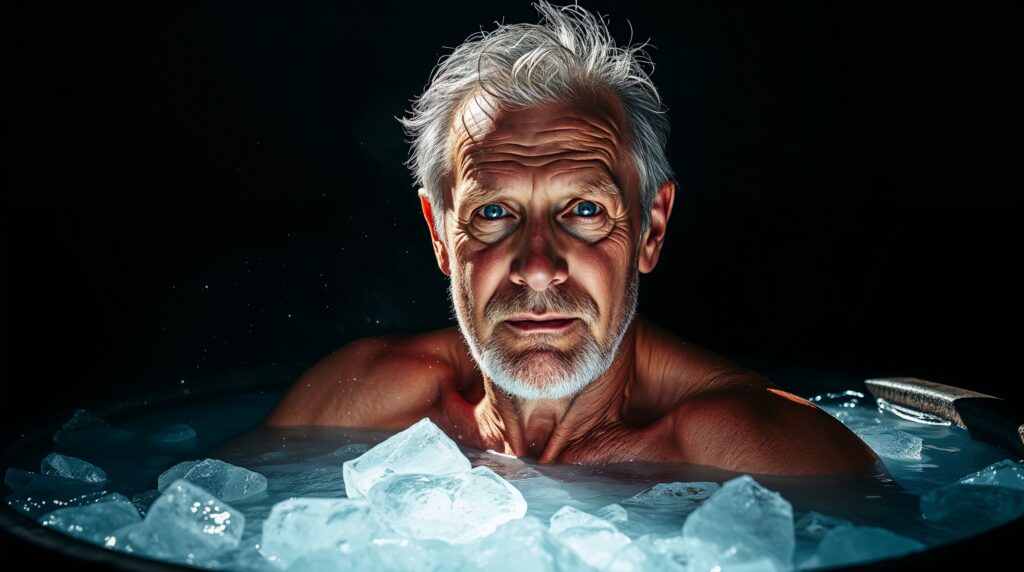
Every morning, thousands of people plunge into freezing water hoping to live longer, feel sharper, and age better. But is cold exposure longevity a genuine science-backed strategy, or just another wellness trend dressed up in dramatic footage?
The truth sits somewhere in the middle. Recent peer-reviewed research shows real, measurable effects on metabolism, inflammation, and mood — but the leap from those effects to “adds years to your life” is bigger than most influencers admit. This guide strips out the hype and shows what the evidence actually supports.
Key Takeaways
- Cold exposure activates brown fat, improving insulin sensitivity and glucose metabolism in controlled trials.
- A 2025 systematic review found meaningful short-term effects on inflammation, stress response, sleep, and quality of life.
- No long-term human trial has yet proven that cold therapy directly extends lifespan — the longevity claim is inferred, not measured.
- Cold water carries real cardiovascular risk, especially for people with heart conditions, high blood pressure, or arrhythmias.
- Short, regular, moderate exposure appears safer and more effective than extreme one-off ice baths.
What Actually Happens in Your Body When You Get Cold?
When cold water hits your skin, your nervous system reacts within seconds. Blood vessels clamp shut, your heart rate spikes, adrenaline and noradrenaline flood the bloodstream, and your breathing accelerates. That initial “cold shock” lasts about a minute.
After that, your body starts burning energy to keep your core warm. This switches on brown adipose tissue (brown fat), a specialised tissue that produces heat by burning glucose and fatty acids. It’s one of the more exciting discoveries in metabolic research, and it sits at the heart of why cold exposure might matter for preventing metabolic diseases.
Acute cold exposure of one to 48 hours has been shown to increase glucose uptake and improve insulin sensitivity, with measurable shifts in how the body handles fats. That’s not a trivial finding — insulin resistance is one of the biggest drivers of age-related disease.
Can Cold Exposure Actually Boost Longevity?
This is where we need to be careful. There’s good evidence that cold exposure influences mechanisms linked to ageing — but no long-term randomised trial has followed people for decades to prove cold plungers live longer. What we have instead is a growing body of research showing plausible, biologically meaningful effects on the same systems that drive healthy ageing.
The Metabolic Case
Brown fat activation improves how your body handles glucose and lipids. Because poor metabolic health accelerates nearly every age-related disease — cardiovascular disease, type 2 diabetes, cognitive decline — anything that reliably improves metabolic flexibility is, in principle, a longevity lever.
The Inflammation and Stress Angle
A 2025 systematic review and meta-analysis of cold water immersion trials, published on PubMed, reported time-dependent improvements in markers of inflammation, stress, immunity, sleep quality, and quality of life. These are the same pathways that researchers now believe underpin the science of longevity.
Cold is also a controlled form of hormetic stress — a mild, brief stressor that triggers adaptive, protective responses. This is the same principle behind exercise. In other words, cold exposure and healthy stress response are closely related.
The Mind-Body Connection
Regular cold exposure has consistently been linked to improved mood, alertness, and self-reported resilience. Whether this is pharmacological (from catecholamine release) or psychological (the pride of having done something hard before 7am) is debated, but the outcome is real — and mental wellbeing is a strong predictor of healthspan.
Is the Science Solid, or Mostly Hype?
Honest answer: it’s promising, but thinner than the Instagram narrative suggests. Most existing trials are small, short, and use varied protocols — water at different temperatures, immersion for different durations, in different populations. A 2024 paper in Ageing Research Reviews described cold water therapy as having “untapped potential” for healthy ageing, which is the academic way of saying “likely useful, but we don’t have the long-term evidence yet.”
The mechanisms are real. The short-term effects are measurable. But the jump to “cold exposure will make you live longer” outruns what the evidence currently supports.
Is Cold Exposure Safe for Everyone?
No. The NHS is clear that cold water causes a predictable shock response — sudden increases in heart rate and blood pressure that can trigger heart attacks even in young, apparently healthy people. In the first minute, people can gasp involuntarily and inhale water, which is the mechanism behind many cold-water drownings.
You should speak to a doctor before starting any cold regime if you have cardiovascular disease, uncontrolled high blood pressure, arrhythmias, Raynaud’s, or are pregnant. Never plunge alone in open water, and ease in rather than jumping.
How Much Cold Exposure Do You Actually Need?
The honest answer is: less than people think. Studies producing meaningful effects have used a range of protocols, but the repeated theme is that short, regular sessions outperform occasional heroic plunges.
| Protocol | Duration | Evidence Base |
|---|---|---|
| Cold shower (15–18°C) | 30–90 seconds, daily | Moderate: reduced sickness absence in a 2016 Dutch trial; practical and low-risk |
| Cold water immersion (10–15°C) | 2–5 minutes, 2–3x weekly | Strongest: most meta-analysed protocol for metabolic and stress benefits |
| Ice bath (<10°C) | 1–3 minutes, occasional | Limited: popular but higher cardiovascular risk, unclear added benefit |
[Image: infographic showing body temperature, heart rate, and brown fat response during a cold plunge — alt text: “how cold exposure affects heart rate, breathing, and brown fat activation”]
Most people already have the equipment they need — a shower. Finishing a normal shower with 60 seconds of cold water gives you most of the physiological triggers (catecholamine release, vasoconstriction, mild BAT activation) without the cardiovascular risk of full immersion. If you want to go further, well-supervised open water swimming sessions are a sensible next step, and fit naturally alongside other evidence-based longevity factors like strength training and sleep.
How Does Cold Exposure Fit With Other Longevity Practices?
Cold therapy is not a replacement for the basics. No amount of ice baths will offset a poor diet, chronic sleep debt, or a sedentary lifestyle. Where cold exposure shines is as a complement to existing good habits: a small, low-cost, evidence-informed add-on to the things that actually move the needle — nutrition, movement, sleep, social connection, and stress management.
If you’re serious about building a long-term routine, our Longevity Foundations programme at Slowing the Clock walks you through exactly how to layer habits like cold exposure on top of the basics without burning out or chasing every new trend.
Frequently Asked Questions
Is cold exposure better than sauna for longevity?
They work through different mechanisms and the evidence base for sauna is currently larger — large Finnish cohort studies have linked frequent sauna use to lower cardiovascular mortality. Cold exposure has stronger short-term metabolic effects. Used together, they’re plausibly complementary, but don’t feel pressured to do both.
How cold is cold enough?
Most of the measured benefits appear at water temperatures of around 15°C or below. Below 10°C the risk profile rises quickly, especially for older adults. For most people, 12–15°C for a few minutes is the sweet spot of effect versus risk.
How soon do benefits appear?
Subjective improvements in mood and alertness are usually reported within the first few sessions. Metabolic adaptations — such as changes in brown fat activity — develop over weeks of consistent exposure. Don’t judge it on day one.
Can I cold plunge if I have high blood pressure?
Speak to your GP first. Cold shock acutely raises both heart rate and blood pressure, which can be dangerous with uncontrolled hypertension or underlying heart disease. A milder cold-shower routine may still be appropriate with medical sign-off.
The Bottom Line
Cold exposure is neither the miracle cure nor the empty fad the internet suggests. The mechanisms are biologically real, the short-term effects are measurable, and the evidence is building — but it sits alongside, not ahead of, the fundamentals of healthy ageing. Start small, do it safely, and treat it as one tool in a broader longevity toolkit. For the full picture, see our guide to the foundations of preventative health and start layering habits that actually compound over time.