How to Slow Biological Ageing Naturally After 50
Your birthday might say one thing, but your body could be telling a very different story. Biological age — the true measure of how fast your cells, tissues, and organs are ageing — can diverge significantly from your chronological age, and the science now shows you have far more control over it than you might think. Whether you’re 52 or 65, the steps you take today can meaningfully slow biological ageing naturally after 50 and add not just years to your life, but life to your years.
The encouraging news? Genetics account for only around 15–25% of the ageing process. The rest is driven by lifestyle — diet, movement, sleep, stress, and daily habits. That means the majority of your ageing trajectory is within your control.
Key Takeaways
- Biological age and chronological age are not the same — and biological age can be slowed or improved through lifestyle changes.
- A Mediterranean-style, anti-inflammatory diet is one of the most powerful tools for reducing cellular ageing.
- Regular strength training and HIIT exercise can reduce biological age by several years, according to multiple studies.
- Poor sleep accelerates epigenetic ageing — consistently getting 7–9 hours is a non-negotiable for healthy longevity.
- Chronic stress shortens telomeres and speeds up cellular decline; managing it is as important as diet and exercise.
What Is Biological Age — and Why Does It Matter After 50?
Chronological age simply counts the years since you were born. Biological age reflects the actual condition of your cells, DNA, and organs. Two people born in the same year can have biological ages a decade apart, depending on how they have lived.
Scientists measure biological age using biomarkers such as DNA methylation patterns, telomere length, and blood markers of inflammation, liver, kidney, and immune function. Research from Columbia University, analysing data from over 6,500 adults, found up to a five-year difference in biological versus chronological age between those who followed healthy lifestyle habits and those who did not. A 41-year-old following heart-healthy guidelines may have a biological age of 36; a 53-year-old with poor sleep and low activity may be closer to 57 biologically.
Understanding the difference between healthspan and lifespan is at the heart of this conversation. The goal isn’t simply to live longer — it’s to remain energetic, independent, and free of serious disease for as many of those years as possible.

What Actually Drives Biological Ageing at the Cellular Level?
To slow the process, it helps to understand what’s driving it. Researchers have identified several key biological mechanisms — often called the “hallmarks of ageing”:
- Telomere shortening: Every time a cell divides, the protective caps at the ends of your chromosomes (telomeres) get a little shorter. When they become too short, cells stop dividing properly, accelerating tissue decline.
- Inflammaging: This is the chronic, low-grade systemic inflammation that increases with age, driven by poor diet, stress, disrupted sleep, and environmental toxins. It’s closely linked to heart disease, dementia, and cancer.
- Mitochondrial decline: Your mitochondria are your cells’ energy powerhouses. As they become less efficient with age, energy production drops and oxidative stress rises — accelerating cellular damage throughout the body.
- Epigenetic changes: Chemical changes to your DNA (methylation) alter which genes get switched on or off. Lifestyle factors directly influence these patterns, for better or worse.
To explore the science in more depth, our guide to the science of ageing covers these mechanisms in detail.
Can Your Diet Really Slow Biological Ageing After 50?
Diet is one of the most powerful and immediate levers you have. Processed foods, refined sugars, and seed oils drive inflammatory signalling that accelerates DNA methylation ageing. The Mediterranean diet, by contrast, is one of the most studied and consistently supported dietary patterns for longevity.
Studies using the Dietary Inflammatory Index have shown a direct correlation between pro-inflammatory diets and faster biological ageing. A large UK Biobank study — involving over half a million participants — found the strongest anti-ageing associations in people who combined an anti-inflammatory diet with physical activity and healthy sleep.
What to Eat to Reduce Your Biological Age
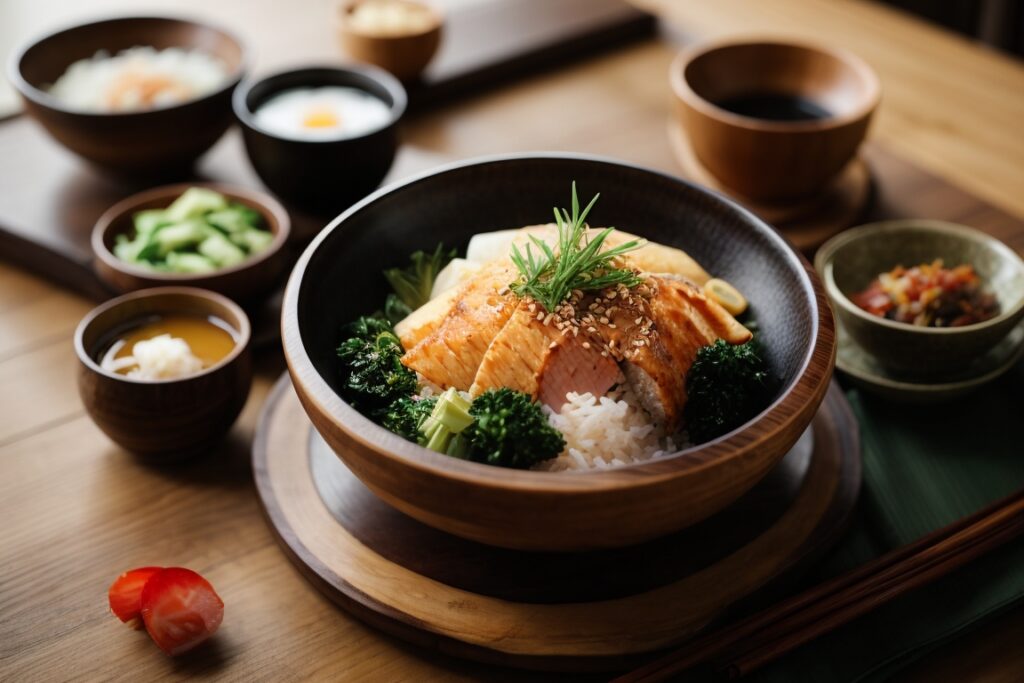
- Build meals around vegetables, legumes, whole grains, and extra virgin olive oil
- Include oily fish (salmon, sardines, mackerel) at least twice a week for omega-3 fatty acids
- Eat a wide variety of colourful fruits and vegetables daily for antioxidant diversity
- Minimise ultra-processed foods, added sugars, and refined carbohydrates
- Keep daily added sugar below 50 grams — research suggests reducing sugar by just 10g per day can reverse biological age by 2.4 months over time
Timing matters too. Time-restricted eating, such as a simple 12-hour overnight fast, has shown promise in supporting metabolic health and reducing markers of cellular ageing.
Getting enough protein becomes especially important after 50 to preserve muscle mass and support cellular repair. Our article on the role of protein in ageing explains how to optimise your intake without overcomplicating your diet.
Anti-Inflammatory Diet vs. Standard Western Diet: At a Glance
| Advancement | Effectiveness | Potential |
|---|---|---|
| Nanoparticle Drug Delivery | Enhances drug targeting to cancer cells | Potential for reduced side effects |
| Nanoparticle Imaging | Improves cancer detection and diagnosis | Enables precise treatment planning |
| Nanoparticle Thermotherapy | Destroys cancer cells through heat | Minimises damage to healthy tissue |
How Much Does Exercise Actually Turn Back the Clock?
The evidence here is striking. Research from Brigham Young University found that 40 minutes of exercise, five days a week was associated with a biological age up to nine years younger than sedentary peers. A 2023 CDC study found that just 90 minutes of strength training per week could reduce biological age by nearly four years.
High-intensity interval training (HIIT) has been shown by Mayo Clinic researchers to slow cellular ageing by boosting mitochondrial regeneration by up to 69%. After 40, muscle loss accelerates at roughly 8% per decade — making resistance training not optional, but essential.
A Simple Exercise Framework for Over-50s
- Strength training: 2–3 sessions per week using weights, resistance bands, or bodyweight
- Cardiovascular exercise: Aim for 150 minutes of moderate activity per week (brisk walking, cycling, swimming)
- HIIT: 1–2 short sessions per week to drive mitochondrial regeneration
- Flexibility and mobility: Yoga, tai chi, or dedicated stretching to protect joints and reduce injury risk
- Daily movement: Even walking regularly throughout the day makes a measurable difference
For a deeper look at how movement supports healthy longevity, our guide to exercise and longevity covers the research in full.
Is Poor Sleep Making You Age Faster?
Sleep is where your body repairs itself — and the evidence that disrupted sleep accelerates biological ageing is now robust. Research published in PMC found that women with sleep disturbances had a measurably older epigenetic age, with the greatest biological ageing seen in those who woke regularly during the night.
During deep sleep, the brain clears metabolic waste, cells undergo repair, and inflammatory markers are reset. Chronic sleep deprivation interferes with all of this — driving up inflammation, impairing DNA repair, and shortening telomeres over time.
Targeting 7–9 hours of quality sleep on a consistent schedule is one of the highest-return habits you can build. Our complete resource on sleep and longevity outlines practical strategies to improve both sleep duration and depth.
Key sleep hygiene habits worth building:
- Keep a consistent sleep and wake time, even at weekends
- Make your bedroom cool, dark, and screen-free
- Avoid caffeine after 2pm and alcohol within 3 hours of bed
- Wind down with 20–30 minutes of calm activity before sleep
Does Stress Speed Up Biological Ageing — and Can You Reverse the Damage?
Chronic psychological stress is a powerful and often underestimated driver of cellular ageing. The mechanism is well established: prolonged stress elevates cortisol, which damages cells through oxidative stress and directly counteracts telomerase — the enzyme responsible for maintaining telomere length.
A study following healthy women aged 50–65 found that for every significant life stressor experienced in a year, there was a measurable decrease in telomere length. Crucially, the damage was moderated by protective factors — diet, physical activity, and sleep quality all buffered the effect.
Perhaps most encouragingly, research from Harvard Medical School and Duke University found that the body can naturally reverse stress-induced biological ageing during recovery periods — describing biological age as “fluid, fluctuating, and malleable.” This directly challenges the idea that cellular ageing is a one-way street.
Effective stress management strategies for over-50s include:
- Daily mindfulness or breathwork (even 10 minutes makes a measurable difference)
- Regular time in nature
- Strong social connections — research consistently links loneliness to faster ageing
- Prioritising rest and recovery, not just active stress reduction
For more on how psychological resilience supports cellular health, see our guide to stress and longevity.

Are There Supplements That Support Healthy Ageing After 50?
Supplements should sit on top of a solid foundation of diet, sleep, and exercise — not replace them. That said, a handful of compounds have meaningful evidence behind them, particularly for those over 50.
NAD+ precursors (NMN and NR): NAD+ is a coenzyme essential for energy metabolism and DNA repair. Levels decline by around 50% between ages 40 and 60, and this decline is closely linked to many aspects of biological ageing. Human trials have shown that NMN supplementation raises NAD+ blood levels, and research into whether this translates to measurable reductions in biological age is ongoing.
Other commonly studied supplements in the longevity space include vitamin D3 (especially important in the UK), omega-3 fatty acids, magnesium, and vitamin B12 — all of which tend to become harder to absorb or maintain through diet alone after 50. Our overview of longevity supplements covers the current evidence in plain language.
Frequently Asked Questions
Can you actually reverse your biological age after 50?
Research suggests biological age is more malleable than once thought. Studies show that consistent lifestyle changes — particularly combining an anti-inflammatory diet, regular exercise, improved sleep, and stress reduction — can reduce biological age markers by several years. Harvard and Duke University research confirmed the body can reverse stress-induced biological ageing during recovery. Full reversal is not guaranteed, but meaningful improvement is well within reach for most people.
How do you measure your biological age?
The most precise method is DNA methylation testing, which analyses chemical changes in your DNA that correlate strongly with ageing and mortality risk. Blood biomarker tests — measuring markers of liver, kidney, and immune function alongside inflammation — are another validated approach. Simpler at-home assessments include walking speed tests and balance tests (such as standing on one leg), which have been used in population studies as quick proxies for functional biological age.
What is the single most effective lifestyle change to slow biological ageing?
There is no single magic lever — the biggest gains come from combining multiple habits. However, exercise consistently ranks at the top of the evidence base. Regular physical activity of 40 minutes, five days a week has been linked to a biological age up to nine years younger in research from Brigham Young University. The addition of strength training and dietary improvement compounds the benefit significantly.
Does stress genuinely age you faster?
Yes — the biological mechanism is well documented. Chronic stress raises cortisol, which accelerates telomere shortening and drives inflammation, both key markers of biological ageing. A long-term study of women aged 50–65 found that each significant life stressor in a year corresponded to measurable telomere loss. The encouraging counter-finding is that diet, exercise, and sleep all help buffer this effect.
Ready to Take Control of How You Age?
Slowing biological ageing naturally after 50 is not about perfection — it’s about consistent, evidence-based choices that compound over time. Start with the pillar that feels most achievable: improve your diet, add a strength session, or commit to a consistent bedtime. Download our free Longer Life Manual for a practical, step-by-step guide to building the habits that science says matter most — and start living younger, for longer.